
Sash window double glazing
Slimline vacuum insulated glazing fitted into original timber sash windows, with frame restoration and draught-proofing, across London postcodes.
Request a quote
Upgrade single glazed sash windows with double glazing units
Restoration, draught-proofing, double glazing
Windows play a large part in the energy balance of a house. In old buildings they are often replaced with new ones or, for economic reasons, with PVC windows, and the character of the building goes with them. This is why the service on this site exists: a double glazing method for sash windows that keeps the original frames and gives the glass the performance of a modern unit.
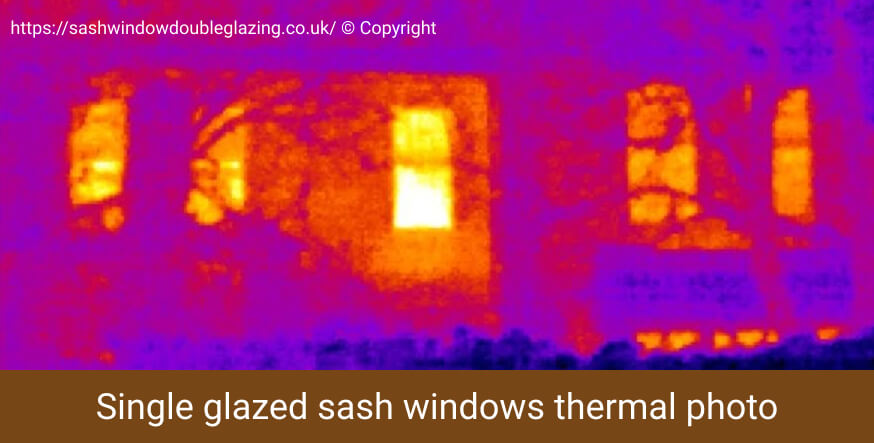
The method preserves your wooden windows and doors, restores them and improves their thermal properties. The original frame is fully refurbished, and the glass insulates roughly eight times better than the single pane it replaces (a U-value of 0.7 W/m²K against 5.7–5.8 for single glazing). The technique suits classic sash windows, casements and all special shapes — curved, trapezoid, elliptical — in opening or fixed lights, while preserving the charm and the original frames of the window.
Georgian bars stay unchanged on the inside and are identical on the outside. They can also be added or removed to alter the style of a sash window — turning a Victorian two-over-two into a Georgian six-over-six, for example.
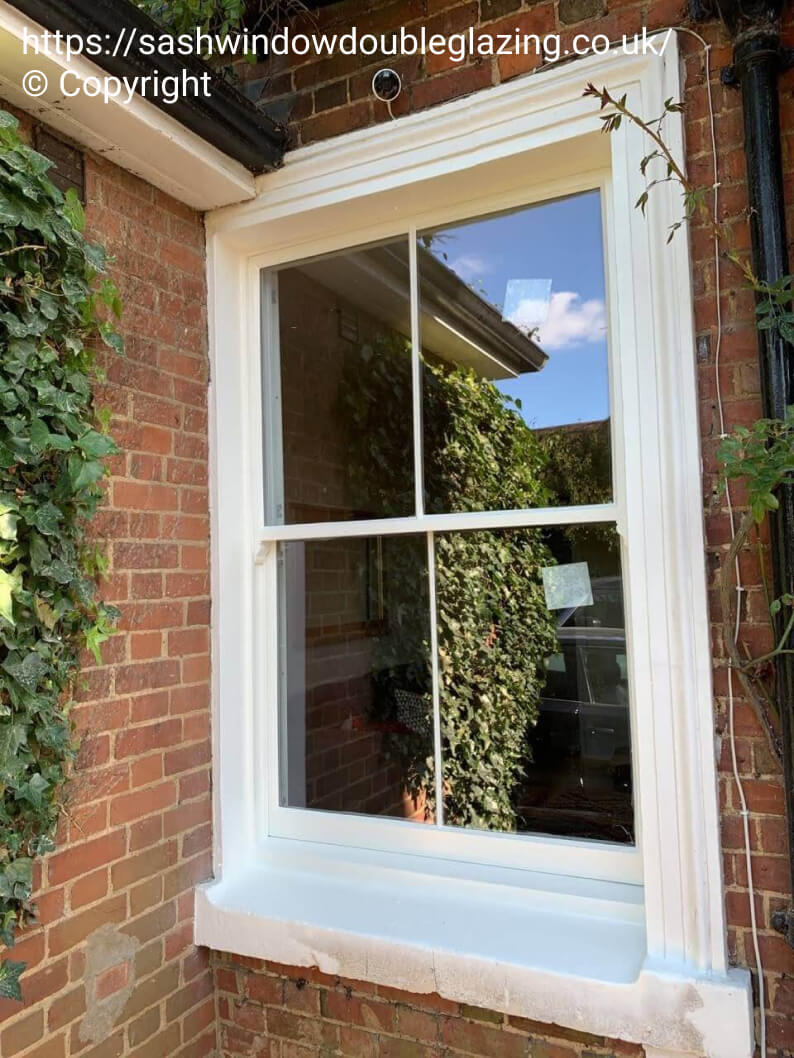
Our services
Slimline vacuum double glazing
Vacuum insulated glazing units fitted into the existing sashes — under 7 mm thick, with a U-value around 0.7 against 5.8 for single glass.
Rot repair, new cords and weights, re-puttying and painting, so the original frames last another lifetime.
Curved, arched, trapezoid and oval units made to template for bays, bows and arched heads.
Seals let into grooves in the sashes and frame, fitted while the windows are apart — the part that stops the cold air, not just the cold glass.
Double glazing existing sash windows
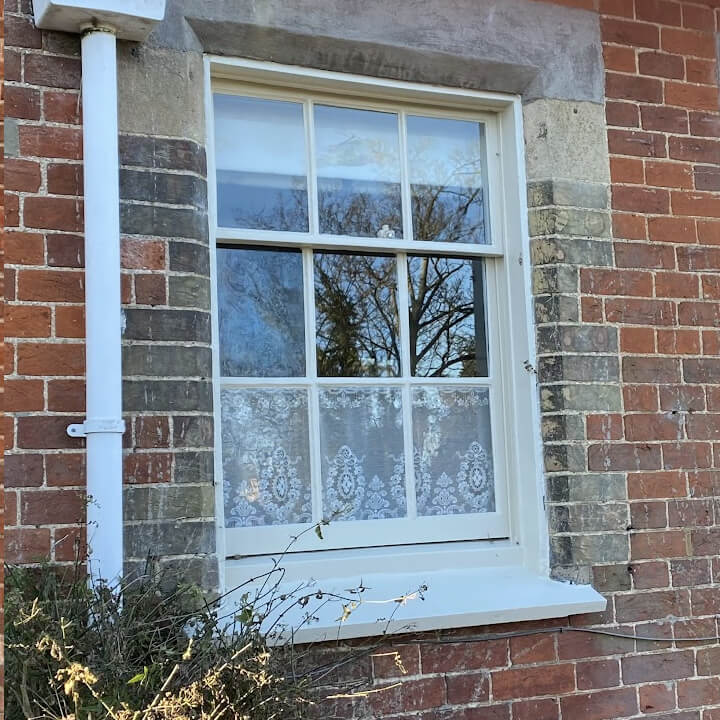
Double glazing old Georgian style sash windows
When double glazing goes into an original Georgian sash window, the glazing bars on the inside are left untouched. The bars and putty on the exterior side of the sashes look identical to the original once the units are fitted into the frame.
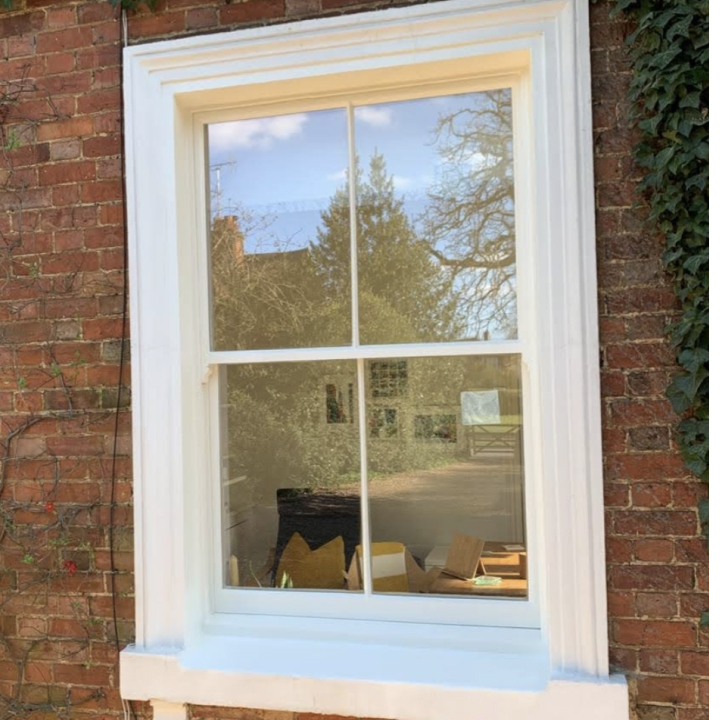
Adding double glazing to existing Victorian sash windows
The fewer glazing bars a window has, the more straightforward the reglazing. Victorian sashes with a single pane per sash are the quickest to convert and cost less per window than a Georgian window with six or more small panes.
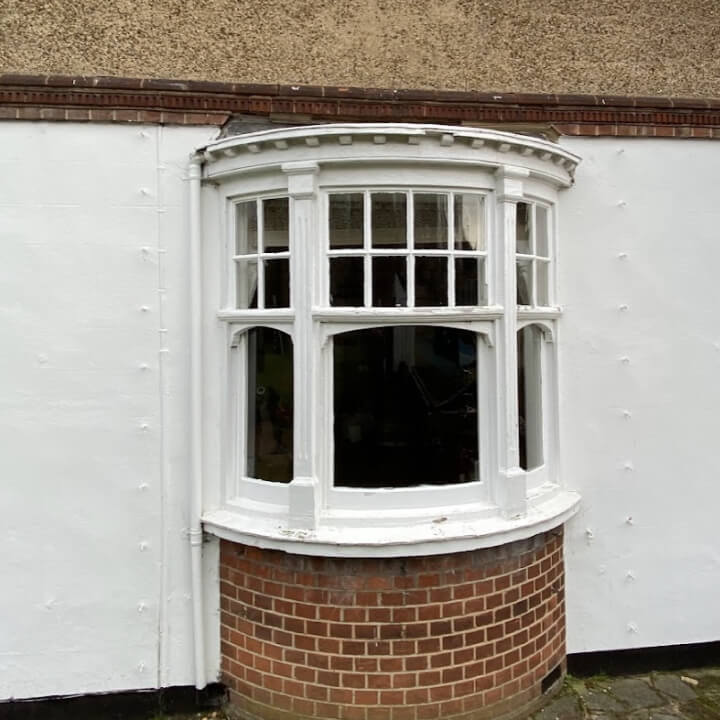
Double glazing any wooden windows
Vacuum units are now made in all special shapes and sizes — oval, arched, even curved. Any sash window style can be double glazed.

A professional sash window double glazing service ensures:
- The frame and the look of the sash window are preserved.
- Both thermal and acoustic performance of old sash windows improve.
- The finish is completed: new putty and paint on the exterior are part of the job.
- The work is done on site from a mobile workshop.
- Any sash taken out for double glazing in the morning is back in its frame by the evening.
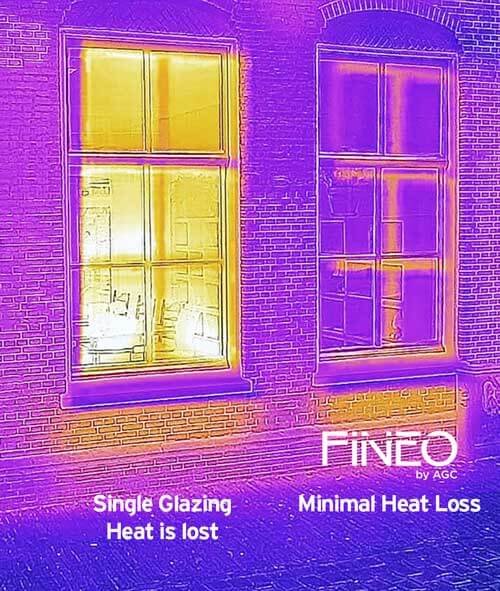
Double glazing benefits
If you are considering double glazing for a period home, the windows probably have a few problems already: draughts, rattles, condensation in winter, traffic noise. Reglazing the existing sashes deals with the glass; the restoration and seals fitted at the same time deal with the rest.
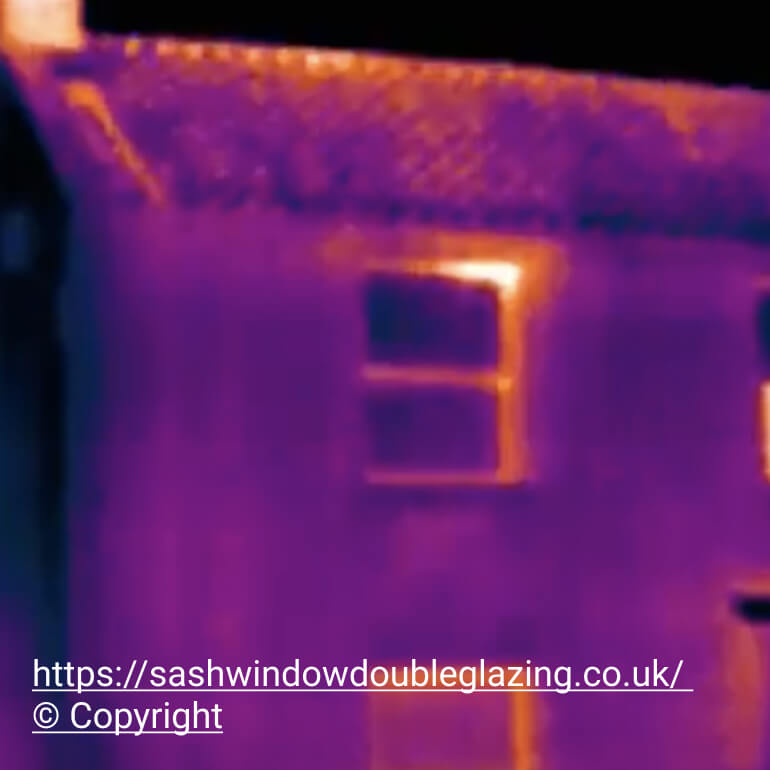
Around a fifth of a home's heat goes out through the windows
Historic England put the figure at about one-fifth for older houses — and most of that escapes through gaps around the sashes rather than through the glass. Vacuum glazing cuts what the glass itself loses to a fraction; draught-proofing closes the gaps. Doing both is what makes the difference on a cold night.
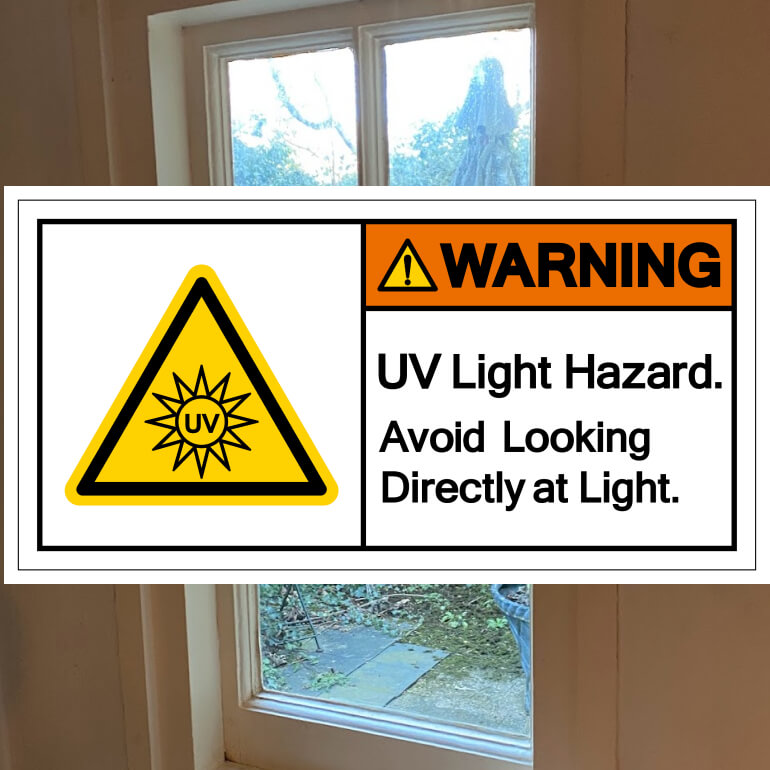
Less UV through the glass
Single glazing lets a lot of ultraviolet light into a room, which fades paint, fabrics, artwork and timber over the years. A coated two-pane unit cuts the UV that reaches the room considerably.
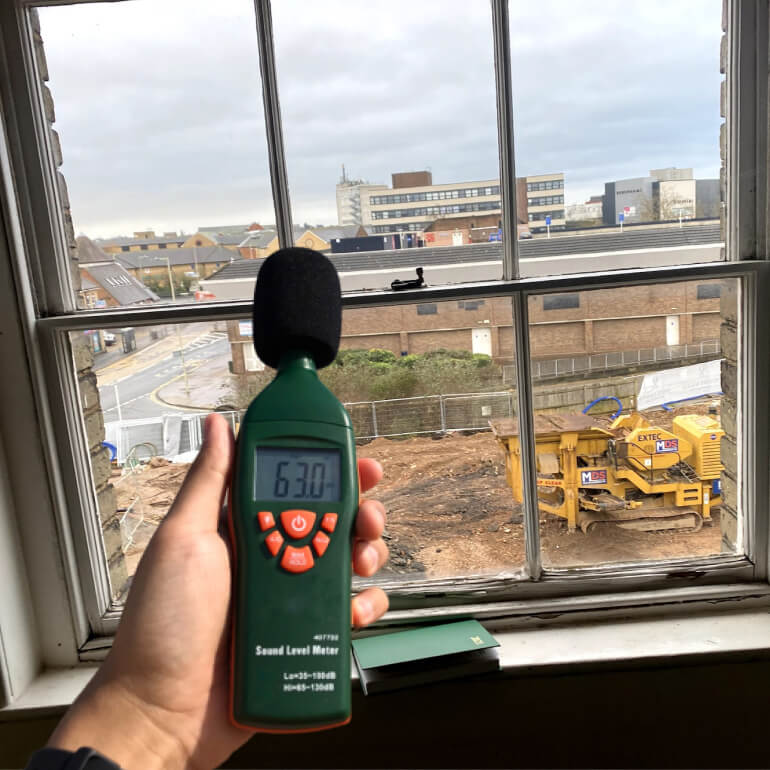
Less noise, better sleep
A single pane in a loose sash brings a lot of street noise into a room. Two panes with a sealed gap, in a sash that closes against seals, change the sound of a room noticeably — bedrooms on a main road are where owners notice it first.
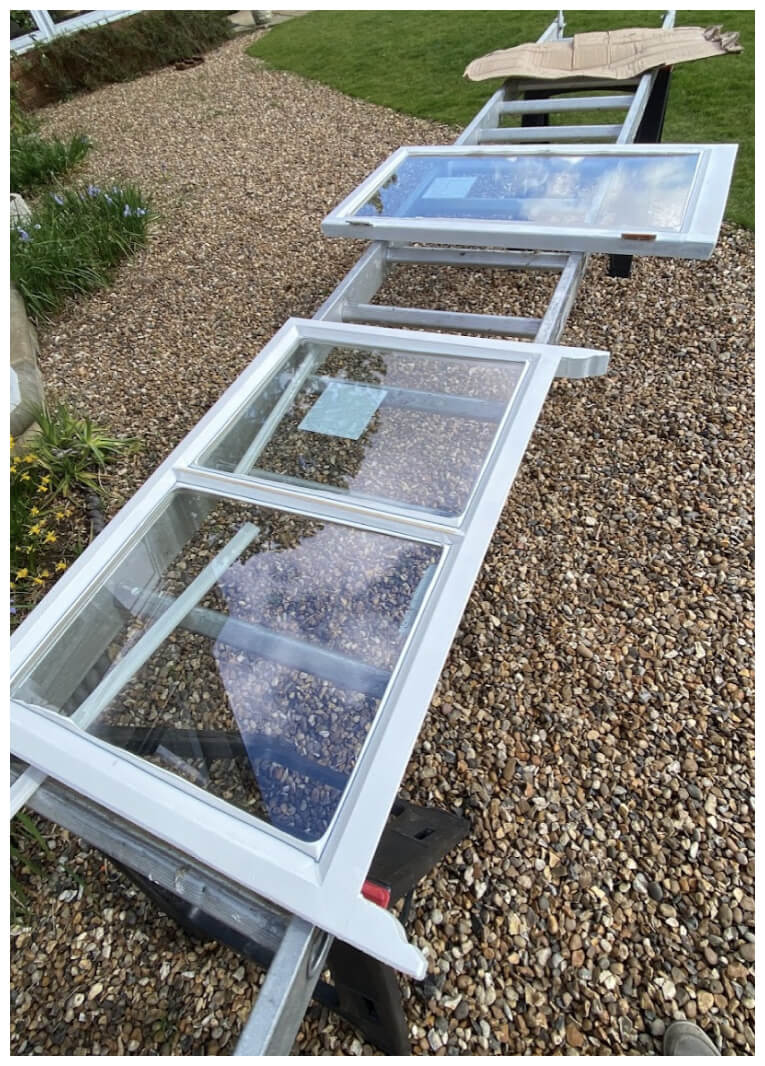
Fitting double glazing units to existing wooden frames
For both new double glazed sash windows and refurbishment projects, vacuum double glazing can be adapted to different window styles without significantly altering their look.
Slimline vacuum units replace the single pane of glass in old wooden sashes to improve the sound insulation and thermal performance of the building and reduce energy bills — the frame, the glazing bars and the putty line stay as they are. How it works walks through a typical job from survey to the last coat of paint.
REQUEST A QUOTEWooden window double glazing process in 3 steps
Removal of sashes
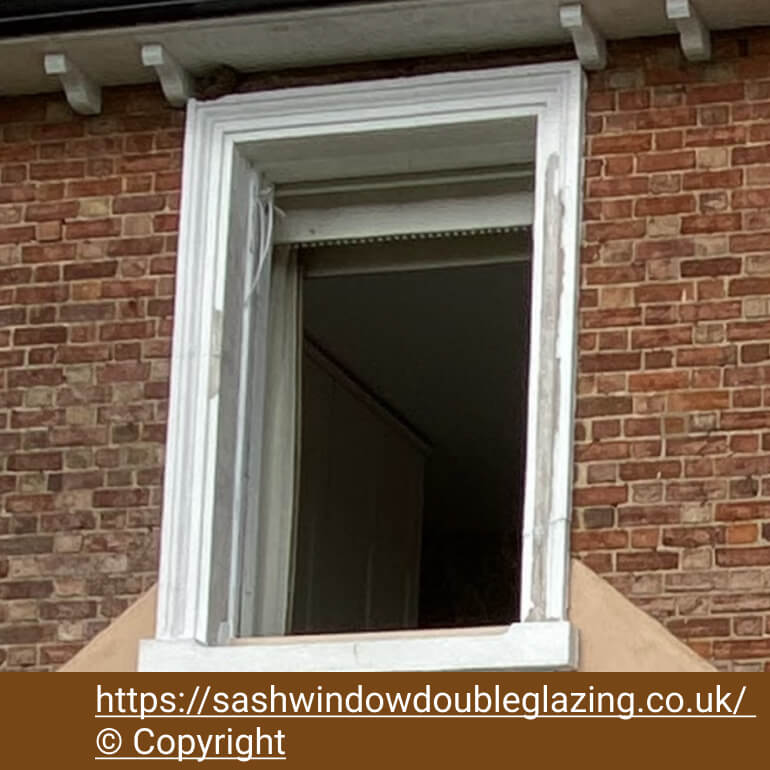
No major work inside the home, so the disruption to your day is small.
The sashes are taken down to the on-site workshop and go back into the frame at the end of the same day.
Rebating the sashes
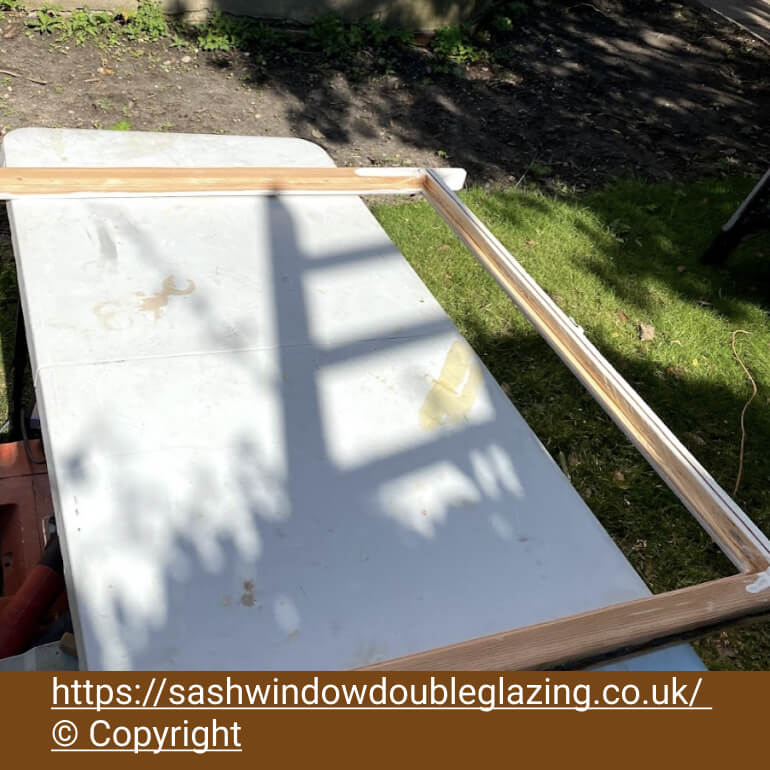
The exterior side of the sashes is rebated to accommodate the double glazing unit.
At this stage old paintwork is removed from the frame and sashes, the joints are repaired and strengthened, and any rot is cut out and replaced with new solid timber.
Fitting the glazing units
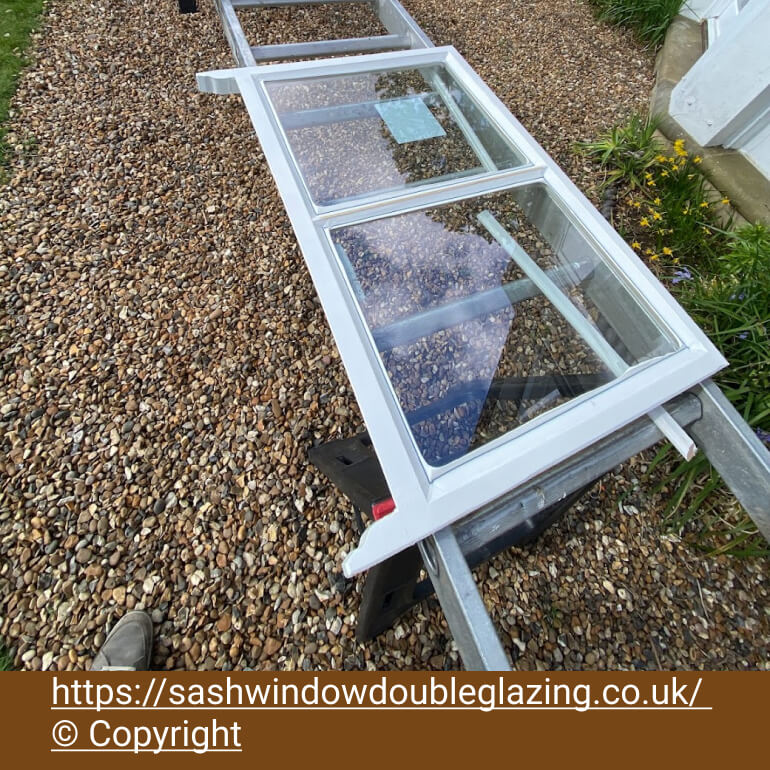
Draught-proofing seals go into grooves cut around the frame and sashes, then the units are fitted and fixed with new putty on the exterior side.
Once a sash is glazed it goes back into the frame; weight is added to offset the heavier glass, and the whole window is painted.
Double glazing for listed buildings
Listed buildings can benefit significantly from double glazing. Many have draughty, damaged wooden window frames and are almost always single glazed.
If you live in a listed building and are weighing up replacement windows, retrofitting double glazing into the existing sashes is the more sympathetic route: the historic joinery stays, and only the glass changes. Consent is normally needed and is decided case by case — listed buildings & conservation areas explains what conservation officers look for.
Beyond the saving against new windows, reglazing keeps sound timber out of the skip and cuts the heating the house needs — a small contribution to reducing greenhouse gases, repeated across every window.
LISTED BUILDINGS GUIDE
Slimline double glazing
There are several slimline double glazing products on the market that suit existing sash windows and windows in listed buildings. They are not the same thing, and the differences decide what fits your sashes and how it performs.
Vacuum double glazing
Two panes, a vacuum between them, under 7 mm overall. The glass behind every project on this site.
Heritage slim double glazing
Gas-filled units with a narrow cavity, around 11 mm thick. Thinner than standard double glazing, thicker and less effective than vacuum glass — the comparison, side by side.
Double glazing for listed buildings
What consent involves, what conservation officers look at, and how reglazing in the existing frame differs from replacement.
Recent projects
PROJECTS GALLERY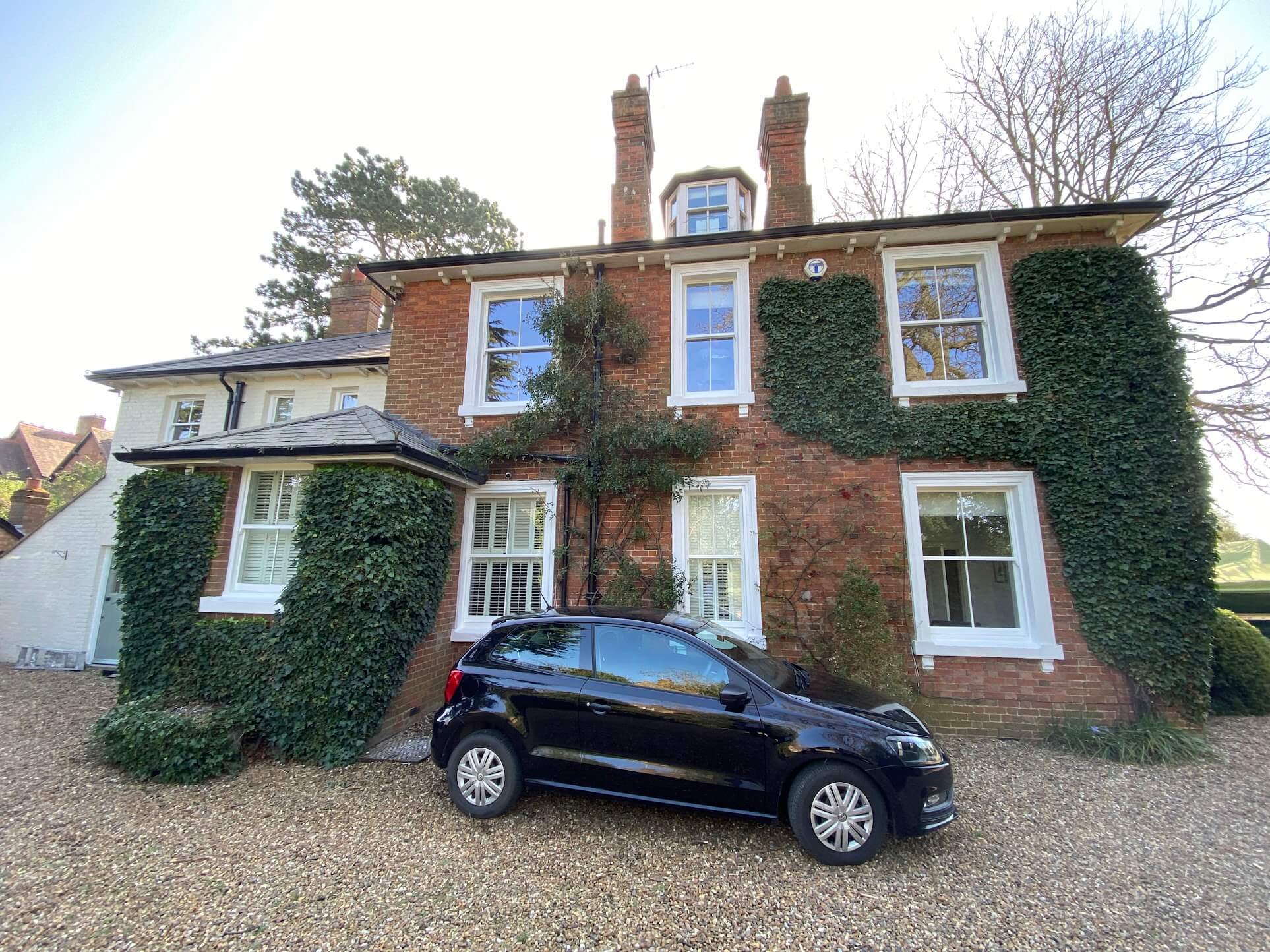
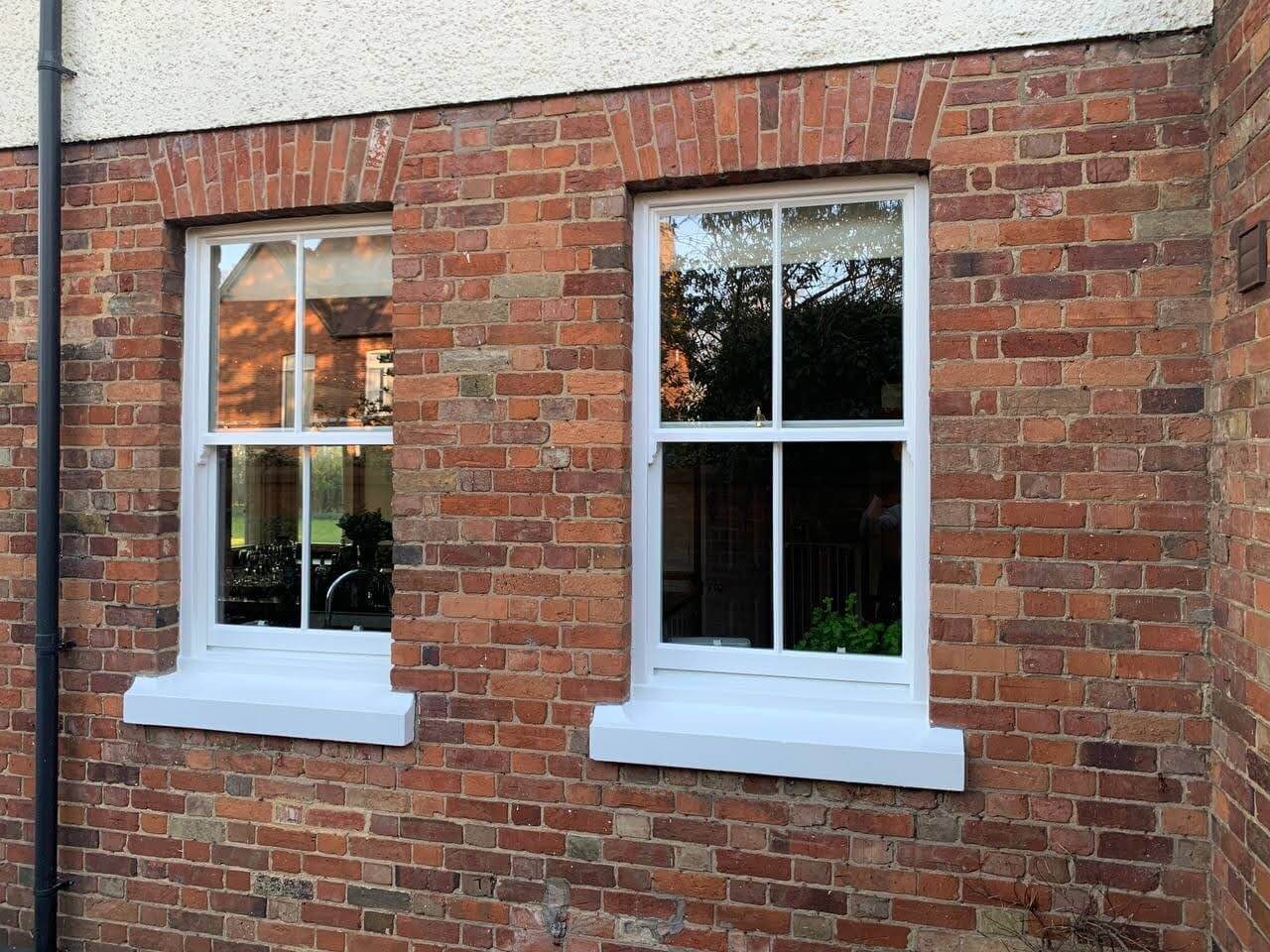
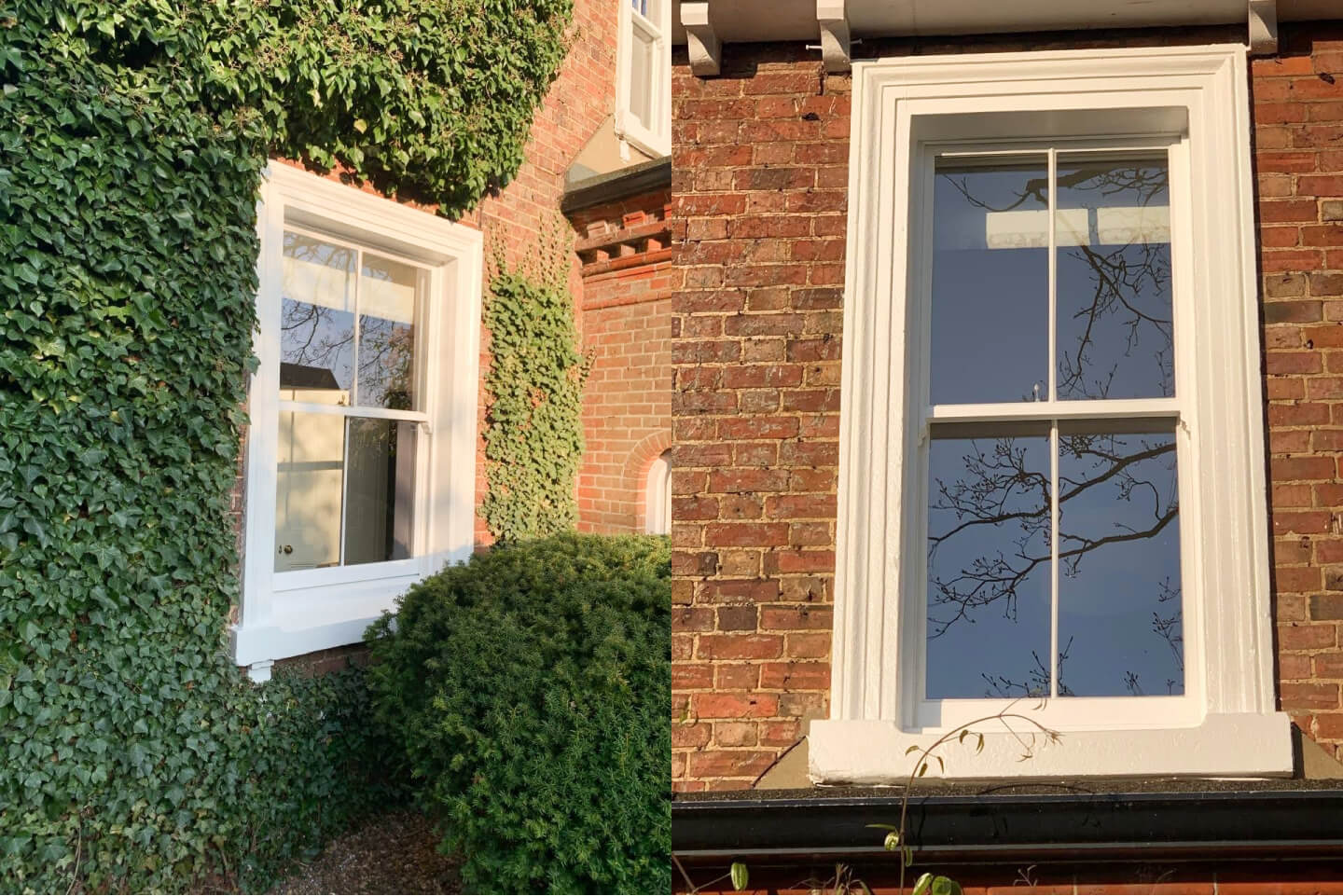
FAQs about sash window double glazing
Can sash windows be double glazed?
Yes. Original timber sash windows can take slimline vacuum double glazing in the existing sashes. The glazing rebate is deepened on the outside face, the new unit is bedded and puttied, and the sash goes back into the same box frame. From the street the window looks as it did; from inside you notice the quiet and the warmer glass.
Will the window look different?
Not from a normal viewing distance. The glazing bars, sightlines and putty finish are kept, and the unit is thin enough to sit in a deepened version of the original rebate. Up close, a vacuum unit has a grid of tiny support pillars (each well under a millimetre across, roughly 20 mm apart) that hold the two panes apart; you can find them if you look for them against a bright sky. Reflections are slightly stronger than single glass, as with any double glazing.
How long does the work take?
Two parts. The glass is made to measure after the survey and takes roughly four to six weeks to arrive. The fitting itself is done from a mobile workshop outside the house: sashes come out in the morning and go back in the same evening, so no window is left open overnight. How many windows are done per day depends on their size and condition — the survey visit gives you a realistic programme.
Can I install vacuum double glazing in a Grade II listed property?
Often, but it is a case-by-case decision for the conservation officer, and reglazing a listed window normally needs listed building consent because it alters the building’s fabric. Historic England’s guidance treats slim and vacuum glazing in existing frames as something that can be acceptable where the sightlines, glazing bars and putty finish are kept. We can supply drawings and a sample for the application, but we do not promise consent. See listed buildings & conservation areas.
How do I get a quote?
Use the contact form with your postcode, the number of windows and their style, or call. Quotes are per window after a survey, because the price depends on size, glazing bars, the condition of the timber and access. There are no fixed price lists on this site for that reason — what affects the cost explains the factors.
Request a quote
Send us the number of windows, their style and your postcode and we will come back to you with the next step — usually a survey visit.