
Listed buildings and conservation areas
Vacuum glazing in an original sash keeps everything a conservation officer cares about — the frame, the bars, the sightlines, the putty. It still needs the right permission first.
Request a quote
Two different regimes
Owners often use "listed" and "conservation area" interchangeably. They are different controls with different consequences for windows.
Listed buildings
Listing protects the whole building, inside and out, and any work that affects its character as a building of special interest needs listed building consent from the council. Windows are almost always part of that character. Repairing a sash like for like does not need consent; changing the glass from single to double glazed does, in most councils' view, because it alters historic fabric even when the frame is untouched. Grade II, II* and I are all covered — the grade affects how closely the application is scrutinised and whether Historic England is consulted, not whether consent is needed.
Conservation areas
Conservation area status protects the appearance of an area, mainly by controlling demolition and by removing some permitted development rights. Replacing windows in a house may need planning permission where the council has made an Article 4 Direction; reglazing the existing windows is repair, and is not normally development at all. If your house is in a conservation area and not listed, the practical question is whether an Article 4 Direction applies to your street.
Building Regulations
Approved Document L treats replacing the glazing in an existing frame as outside the "controlled fitting" rules that apply to replacement windows, so the energy-efficiency requirements are not triggered by reglazing and no trickle vents are required. This is a separate question from consent: Building Regulations are about performance, listing is about character.
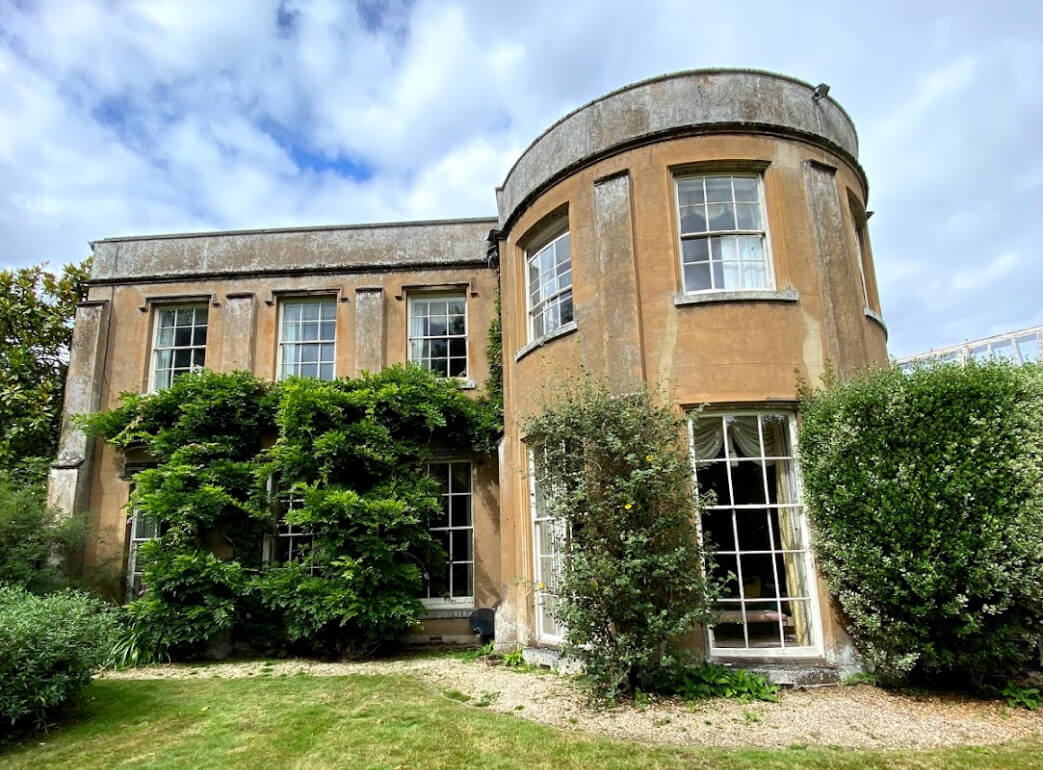
What conservation officers look for
Historic England's guidance on traditional windows takes the position that keeping and upgrading original windows is generally preferable to replacing them, and that slim and vacuum double glazing in existing frames can be acceptable — as guidance, decided case by case, not as a blanket approval. Councils apply it through their conservation officers, and the questions they ask are fairly consistent:
- Sightlines. Do the glazing bars keep their width and profile? A vacuum unit sits in a deepened rebate on the outside face; the bar seen from the room is unchanged.
- Putty finish. Is the unit puttied on the outside, as the original glass was, rather than beaded? Yes — the putty line is reinstated to its original width.
- Historic glass. Does the window still have crown or cylinder glass with its ripples and seeds? If so, the officer may ask for it to be kept in some sashes, or reused elsewhere in the house. This is a genuine trade-off and worth discussing before the application.
- Reflections and appearance. Two panes reflect a little more than one. A sample unit held up to the existing window answers this better than any drawing.
- Reversibility. Because the frames and bars are unchanged, the work can in principle be reversed — a point in its favour compared with replacement.
How to approach an application
- Ask the council's conservation officer for pre-application advice. Many councils offer it free or for a modest fee, and it tells you what the application needs before you pay for drawings.
- Get the survey done first, so the application describes the real windows: which are original, which are later replacements, which have historic glass, what condition the timber is in.
- Include a section drawing through a glazing bar showing the deepened rebate and unit, and offer a sample.
- Apply for the whole house even if you intend to do it in phases; one consent is simpler than three.
- Keep the decision notice with the house documents — a buyer's solicitor will ask for it.
What we do not do is promise an outcome. Consent decisions belong to the council. What we can say is that the method keeps the things officers consistently ask about, and we provide the drawings and samples that make the case.
Reglazing versus replacement in a listed house
Replacement is the harder application. A new window — however good a copy — removes historic fabric, and many councils refuse it unless the original is genuinely beyond repair. The survey often finds that a window which looks finished is sound behind the paint; where it is not, individual sashes can be remade to the original pattern while the box frame stays.
Reglazing keeps the frame, the box, the pulleys and the bars, and adds performance the building never had: glass at 0.7 W/m²K instead of 5.8, seals in the sliding surfaces, and an end to condensation on the glass. For a listed house that is usually the most that can be achieved without changing what makes it listed.
Secondary glazing as the alternative
Where consent for reglazing is refused, or where the historic glass is too good to lose, secondary glazing on the room side is the recognised alternative and rarely needs consent. It is less elegant and takes space on the reveal, but it works. One practical note from Historic England: a window fitted with secondary glazing should not also be draught-proofed, because sealing the outer window traps moisture in the cavity between the two.
VAT
Work to listed buildings is standard-rated for VAT like any other building work; the zero rate for approved alterations ended in 2012. The quote will show VAT separately.
FAQ
Is reglazing a listed window "like for like" repair?
No. Like-for-like repair — renewing a rotten rail with the same timber section, replacing cords with the same material — does not need consent. Changing single glass for a double-glazed unit alters the fabric, so it is normally treated as an alteration that needs listed building consent, even though the frame stays.
Does the vacuum unit need a thicker glazing bar?
No. The rebate is deepened on the outside face of the existing bar; the bar’s width and its moulded profile on the inside are unchanged. That is the point conservation officers usually want demonstrated, and a sample sash or a section drawing settles it.
What if consent is refused?
Then the glass stays single and the rest of the work — restoration, cords and weights, draught-proofing — can still go ahead, none of which normally needs consent when it is not visible and does not weaken the window. Secondary glazing on the room side is the usual alternative for the glass.
My house is in a conservation area but not listed. Do I need permission to reglaze?
Usually not: reglazing an existing window is repair and maintenance, not development. Conservation areas control demolition and, where an Article 4 Direction is in place, some external alterations such as replacing windows. Check your council’s conservation area page for an Article 4 Direction before assuming either way.
Listed house? Start with the survey
The survey gives you the description of the windows that a consent application needs — and tells you which sashes are worth keeping the historic glass in.