
Draught-proofing sash windows
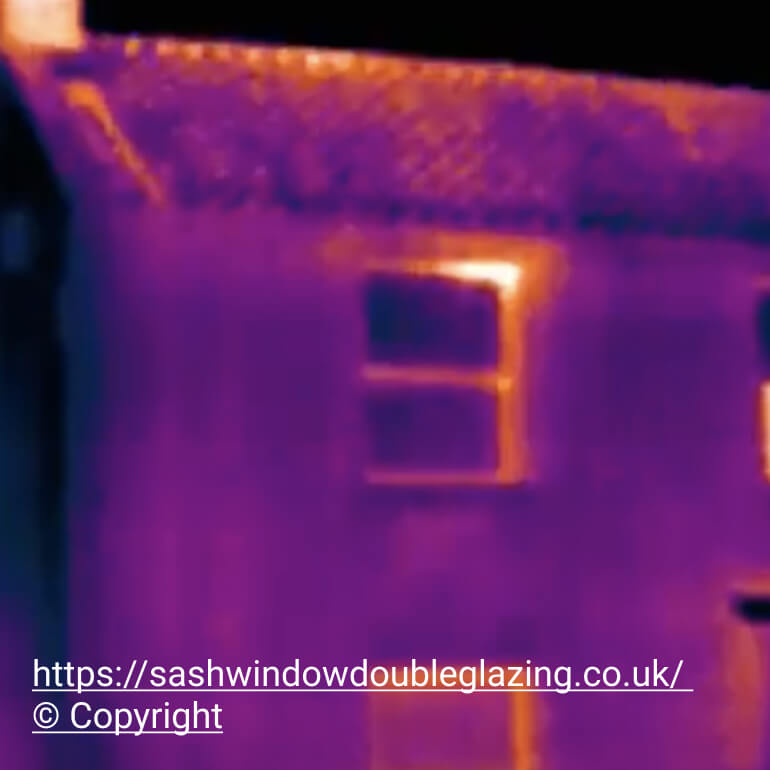
Most of the heat a sash window loses goes out through the gaps around the sashes, not through the glass. Seals let into grooves in the timber are how those gaps are closed.
Request a quote
Why the gaps matter more than the glass
Historic England's figures for older houses: around a fifth of the heat goes out through the windows, and less than a quarter of a traditional window's heat loss is conduction through the glass. The rest is air movement — through the gap between the sashes and the box, at the meeting rail, along the bottom rail, around the parting bead and the pockets. A sash that rattles in the wind is losing more heat through those gaps than through its single pane.
Closing them is the cheapest energy work you can do on a period window. Historic England's own statement is that draught-proofing "will provide the biggest energy saving and conservation benefits for the lowest environmental and financial costs", and that air infiltration through a sash window in good condition can be reduced by as much as 86%. Note the qualifier: in good condition. A window with loose joints, a rotten rail or a warped sash has to be repaired before seals will do their job, which is why restoration and draught-proofing are one visit, not two.
How the seals are fitted
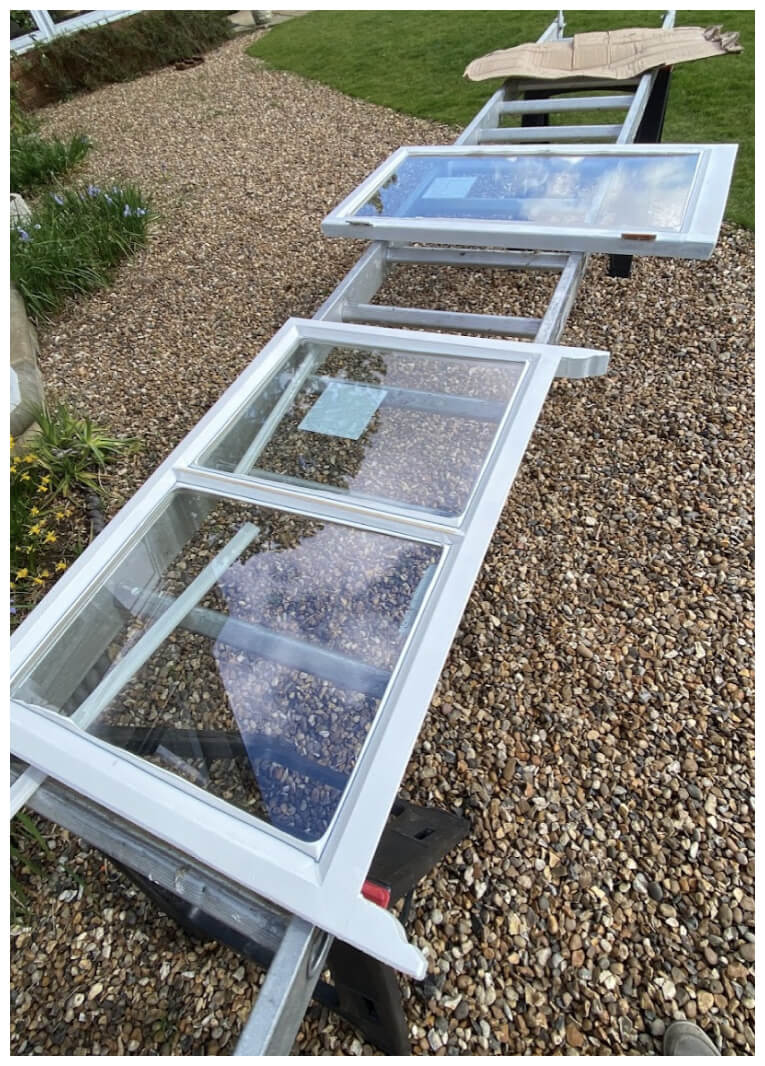
The professional method is grooved seals, cut into the timber while the sashes are out rather than stuck on afterwards. Different surfaces need different seals:
- Sliding surfaces — the stiles of the sashes against the box, and the meeting rails passing each other — take wiper seals: a flexible fin let into a groove that brushes the opposite surface as the sash moves. Historic England's wording is that wiper seals are the only way of sealing the sides and meeting rails of sliding sashes.
- Meeting surfaces — where the bottom rail closes onto the sill and the top rail against the head — take compression seals: a foam-cored polyurethane bulb in a groove that squashes when the window shuts. These are the Aquamac-type seals; they are compression seals, not brush pile, whatever some suppliers' catalogues say.
- Parting bead and staff bead are replaced with new beads that carry a seal in a routed groove, so the seal is invisible once the window is painted.
Brush pile is chosen by pile height against the gap it has to close; a pile too short does nothing and one too long makes the sash stiff. The survey measures the gaps window by window. Foam strip has no place on a sliding sash — it drags, tears and is painted over within a year.
What draught-proofing does not do
It does not turn single glazing into double glazing. The glass is still 5.8 W/m²K and still cold to sit next to. Seals stop the moving air; reglazing deals with the glass. Done together, the window is transformed; done alone, seals are a good improvement on a draughty window and nothing more.
It is not a bill-saving figure we can quote. The Energy Saving Trust's headline saving for draught-proofing is a combined figure for windows, doors and floors across a whole house, and there is no published windows-only number. Anyone quoting a percentage saving for sash draught-proofing is guessing.
It should not be combined with secondary glazing. Historic England's advice is that where secondary glazing is installed, the original window should not also be draught-proofed, because sealing the outer window traps moisture in the cavity.
It must not remove all ventilation. Older houses need some air change — Historic England suggest 0.4–0.8 air changes an hour for a building in reasonable condition, and most leak far more than that, so sealing the windows is normally beneficial. Rooms with open fires, stoves or gas appliances are the exception and are looked at individually before anything is sealed.
It does not need Building Regulations approval or trickle vents. Draught-proofing an existing window is not "building work" under the Approved Documents, and background ventilators are a requirement for replacement windows, not for sealing existing ones.
It is not permanent. Seals wear. Q-Lon-type compression seals carry a ten-year manufacturer's guarantee; there is no published service life for brush pile, so none is claimed here. Both are replaceable without taking the window apart again.
Noise
Sound follows the same paths as cold air. A loose sash lets traffic noise straight in around its edges, and no glass specification helps until the gaps are closed. Owners on main roads usually notice the seals as much as the glass — the room stops sounding like the street. We do not quote a decibel figure for draught-proofing because none exists that is worth repeating; the manufacturer's sound-reduction figures for the glazing itself are on the slimline double glazing page.
VAT
At the time of writing, draught-stripping supplied and fitted in a home is zero-rated for VAT until 31 March 2027, after which a reduced rate is due to apply; the rest of the work — cords, timber repairs, glazing, decoration — is standard-rated. Quotes show the draught-proofing separately so the rate is applied correctly.
FAQ
Can I draught-proof a sash window myself with self-adhesive strip?
You can, but on a sliding sash it does not last: the Energy Saving Trust’s own advice is that foam strips do not work well on sliding sash windows and that brush strips or a professional are the answer. Stick-on strip also gets painted over and sheds within a season or two. Grooved seals are the durable method.
Will draught-proofing stop condensation?
Not by itself. Sealing a window reduces the cold air coming in, but the glass is still cold, and a sealed room with less ventilation can see more condensation, not less. Reglazing is what warms the glass; ventilation still has to come from somewhere. That is why the two are done together, and why a room with a fire or gas appliance is never sealed without the ventilation being looked at.
Does draught-proofing need listed building consent?
Historic England’s view is that self-adhesive strips need no consent while grooving the timber for seals may, because it alters the fabric. Islington’s guidance gives the practical test many councils use: no consent needed provided the work is not visible and does not harmfully weaken the window. Ask the conservation officer; on a listed house we treat it as part of the same application as the glazing.
Do the seals need replacing?
Eventually, like any wearing part. No published service life exists for brush pile; polyurethane compression seals of the Q-Lon type carry a manufacturer’s ten-year guarantee. Keep paint off the flexible part of a seal — a painted seal stops working.
Request a quote
Send us the number of windows, their style and your postcode and we will come back to you with the next step — usually a survey visit.